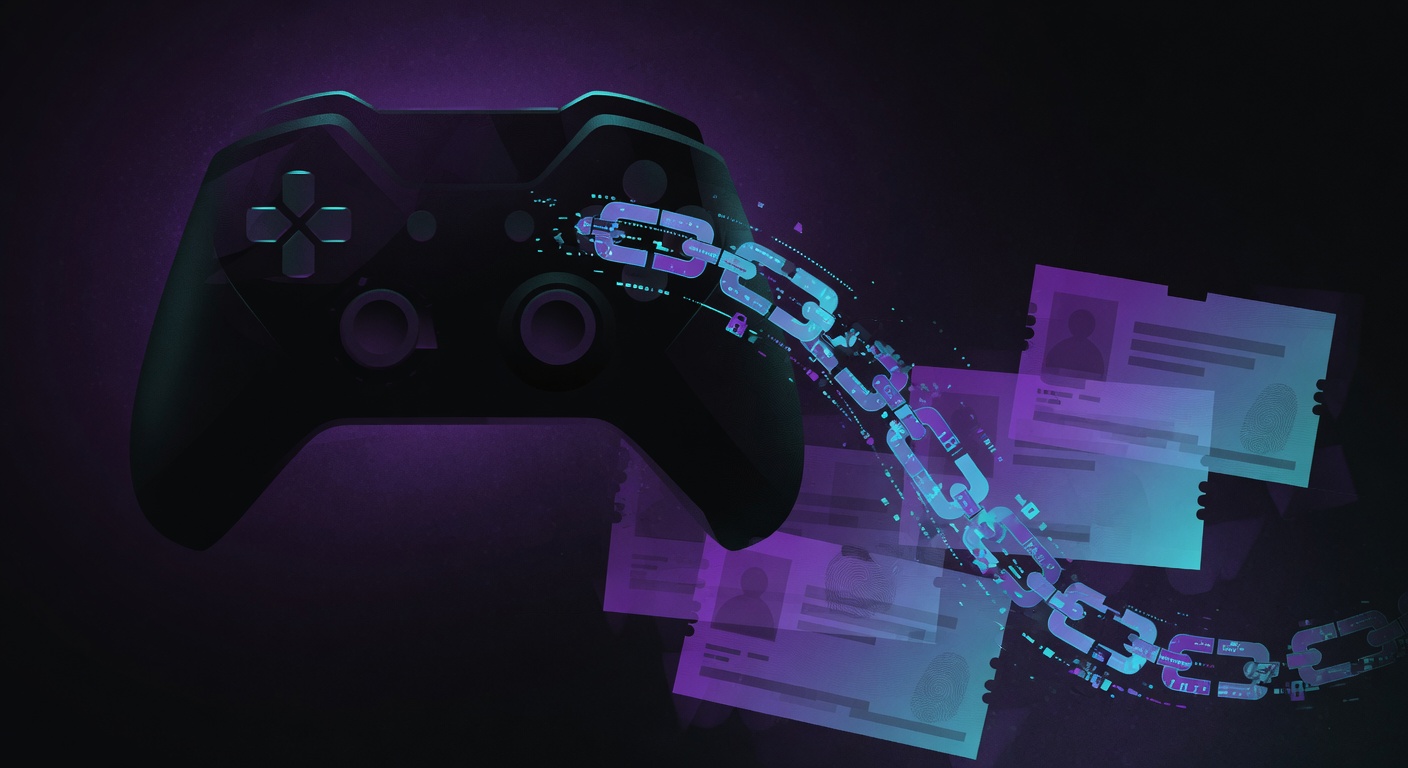
Identity-Chain Mapping: How Attackers Connect Professional and Personal Data
Executives in 2026 face an escalating threat where a single leaked corporate credential can expose an entire household within hours. Attackers no longer treat professional and personal data in isolation; instead they construct identity chai…
Current risk patterns show that 80 percent of successful business email compromise and CEO fraud incidents begin with publicly available personal data that links back to the executive’s corporate identity. Public breach repositories now exceed 13.1 billion+ records, and attackers routinely cross-reference corporate directory leaks with consumer data brokers, social media, and dark-web marketplaces. Once an attacker confirms an executive’s home address, spouse’s employer, or child’s username, the attack surface expands from one professional account to every connected family member and device.
Not ready yet? Run a free breach check on this email
We’ll email that address a link. Open it and we check it against 13.1B+ leaked records — no account needed. Continuous monitoring & alerts are part of Protection.
Common linkage methods attackers use begin with straightforward data points and escalate quickly. They match work email domains to personal Gmail or ProtonMail accounts through password reuse or password reset flows. They scrape conference attendee lists, GitHub commits, and patent filings to extract full names, then query people-search sites for associated phone numbers and physical addresses. Social media metadata—photos tagged with geolocation, posts mentioning children’s names or schools—further tightens the chain. When these elements converge, attackers can accurately predict security-question answers and bypass multi-factor authentication prompts that rely on knowledge-based verification.
Professional-to-personal data connections create the backbone of these attacks. A corporate breach that exposes an executive’s title and reporting structure is combined with a separate consumer breach that reveals the same individual’s date of birth and mother’s maiden name. The linkage is reinforced when the executive’s spouse maintains a public social profile listing the same home address or when children appear in family photos that also tag the executive’s workplace. Attackers exploit these overlaps to craft convincing pretexts—impersonating a child’s teacher, a spouse’s colleague, or a board member—because the context feels intimate and authoritative.
Gaming account linkage risks compound the problem for executives and their families. Children’s Roblox, Fortnite, or Discord credentials frequently reuse elements of household passwords or email addresses. When a child’s gaming handle is doxxed on a cheating forum or leaked through a third-party integrator, the associated email or phone number can be traced back to the parent’s professional identity. Public reporting documents repeated cases where attackers move from a compromised child’s gaming account to the parent’s corporate VPN through shared recovery options.
You can’t unleak data. You can take away what it’s worth.
A leaked record is where it starts, not where it ends. What turns it into your front door is the look-up sites publishing your address beside your name — and those are what an AI reads when somebody asks about you. The free scan shows you both. We write to 580 companies.
We use essential cookies for site functionality, and optional analytics and advertising cookies to improve our service and keep our free pages free. Privacy Policy • Cookie Policy